Product application scenarios
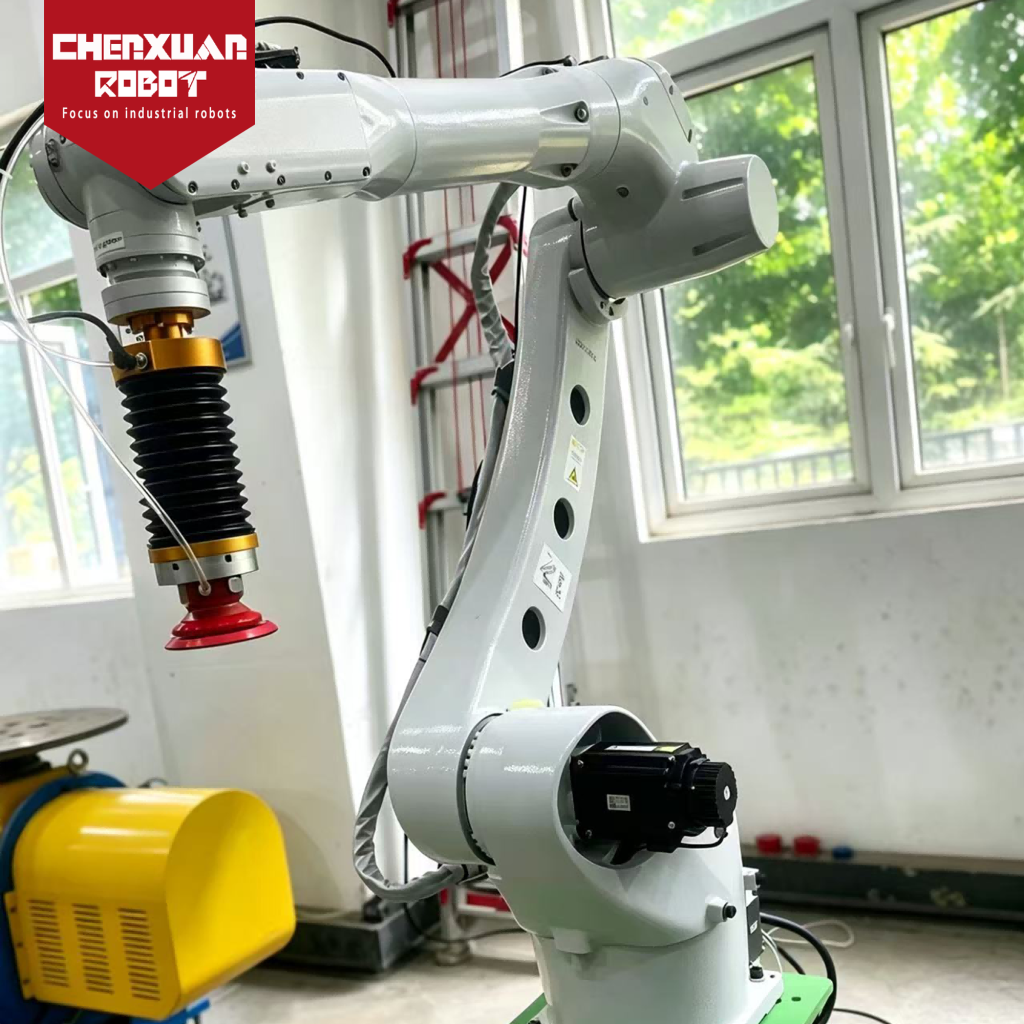
Product Information
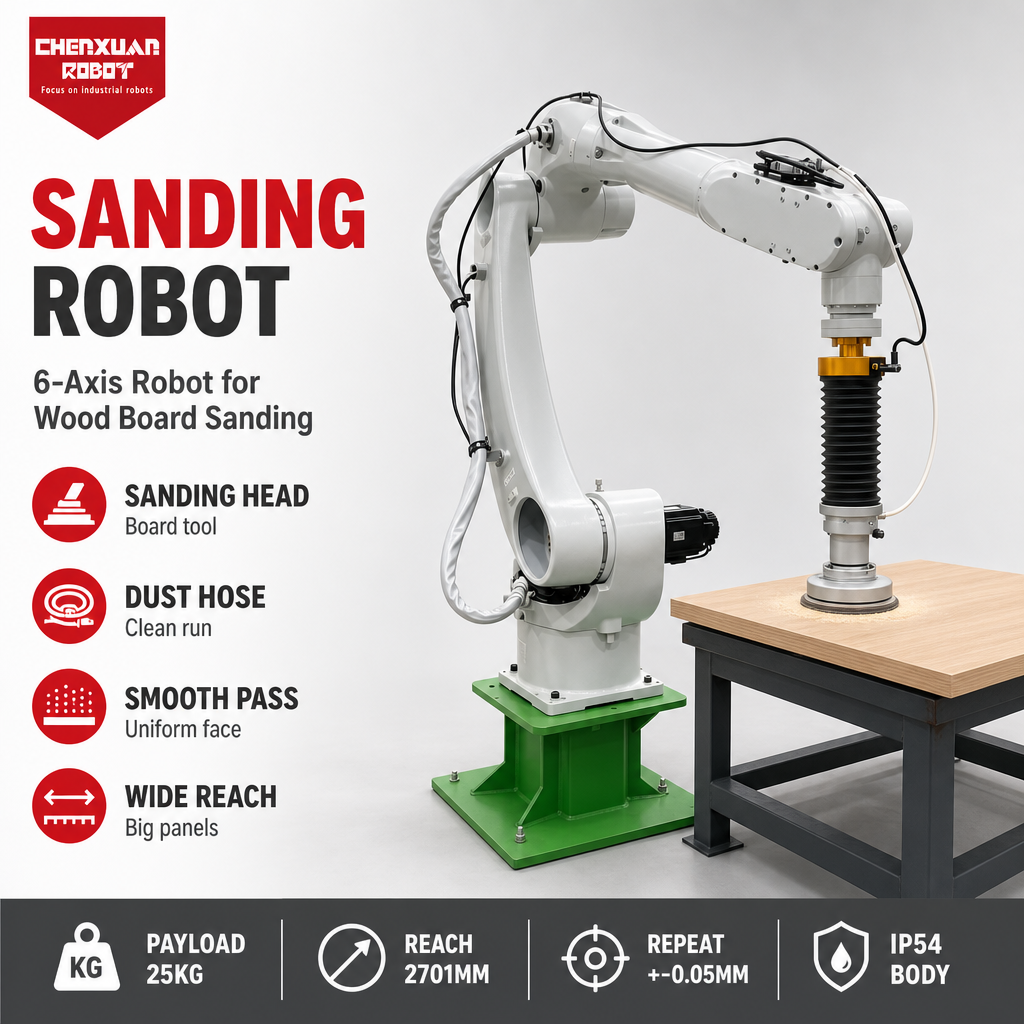
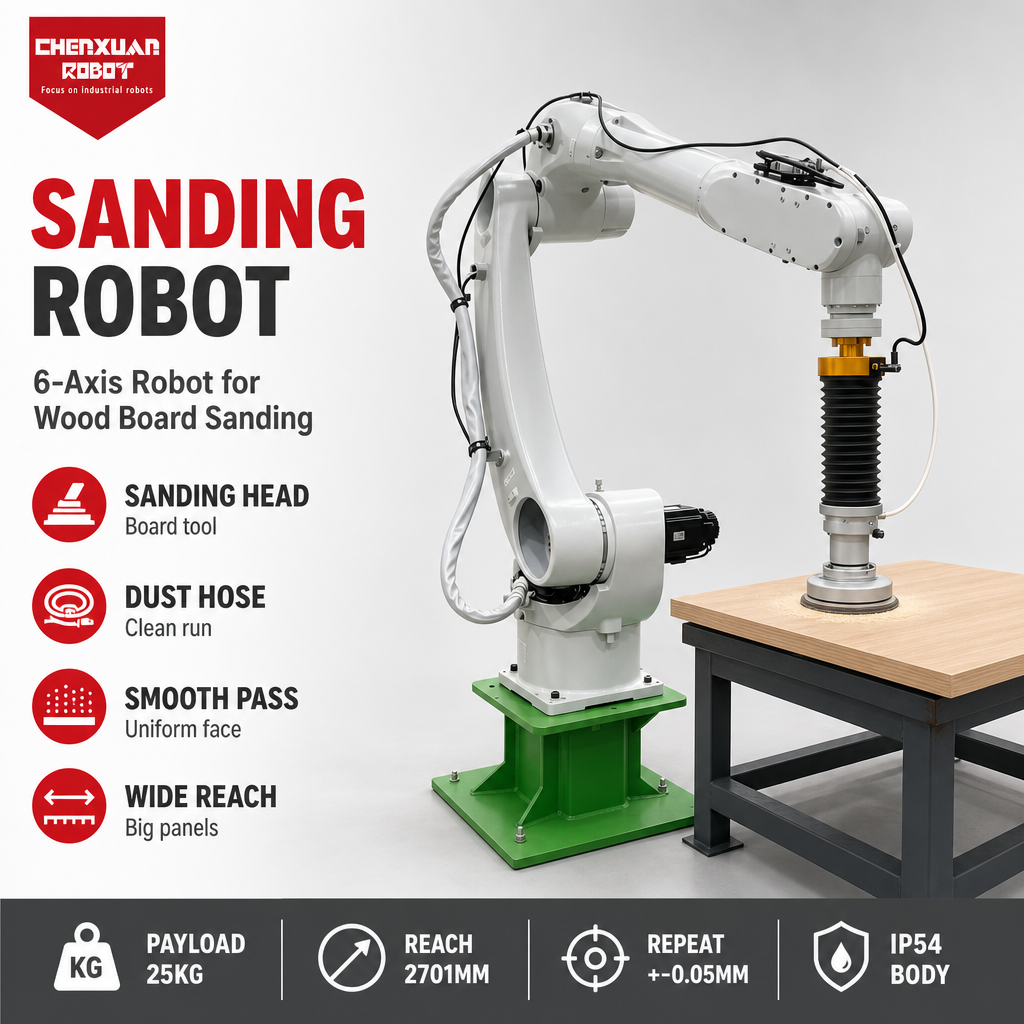
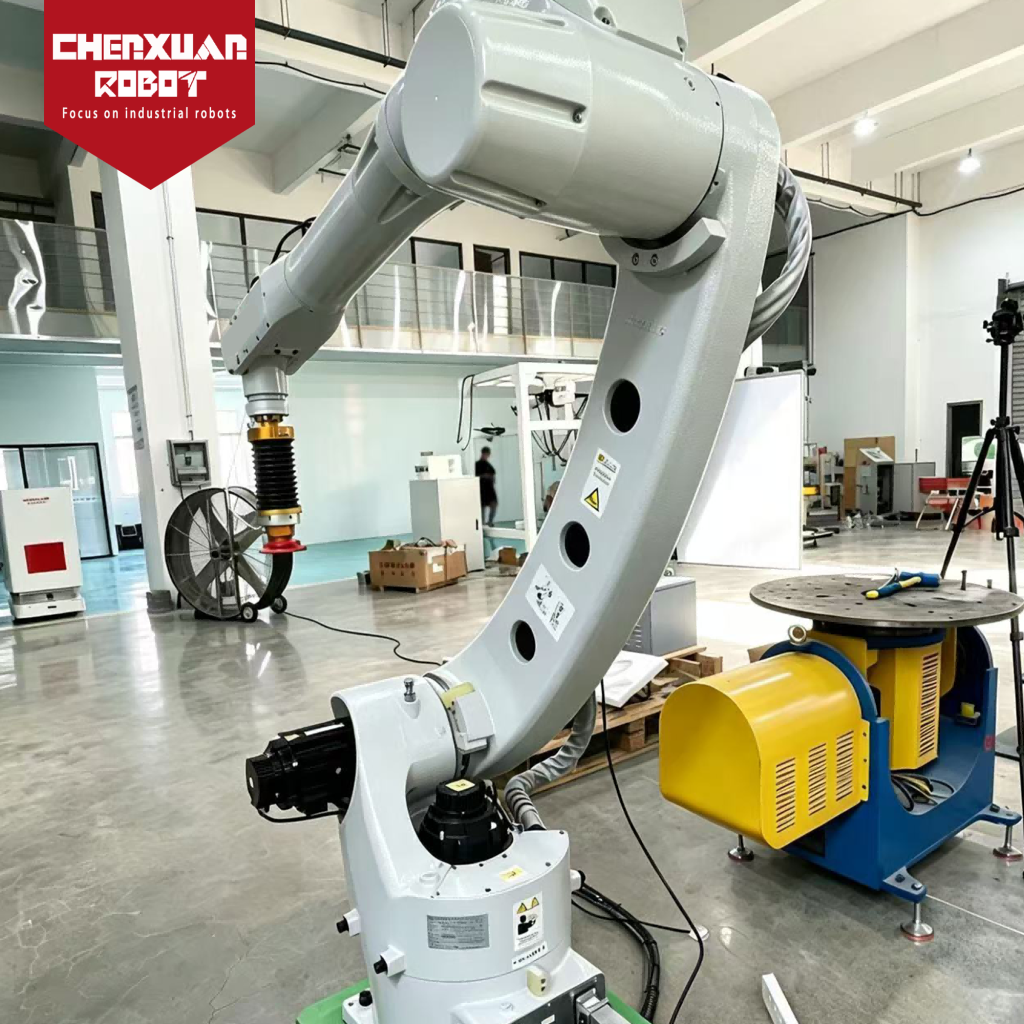
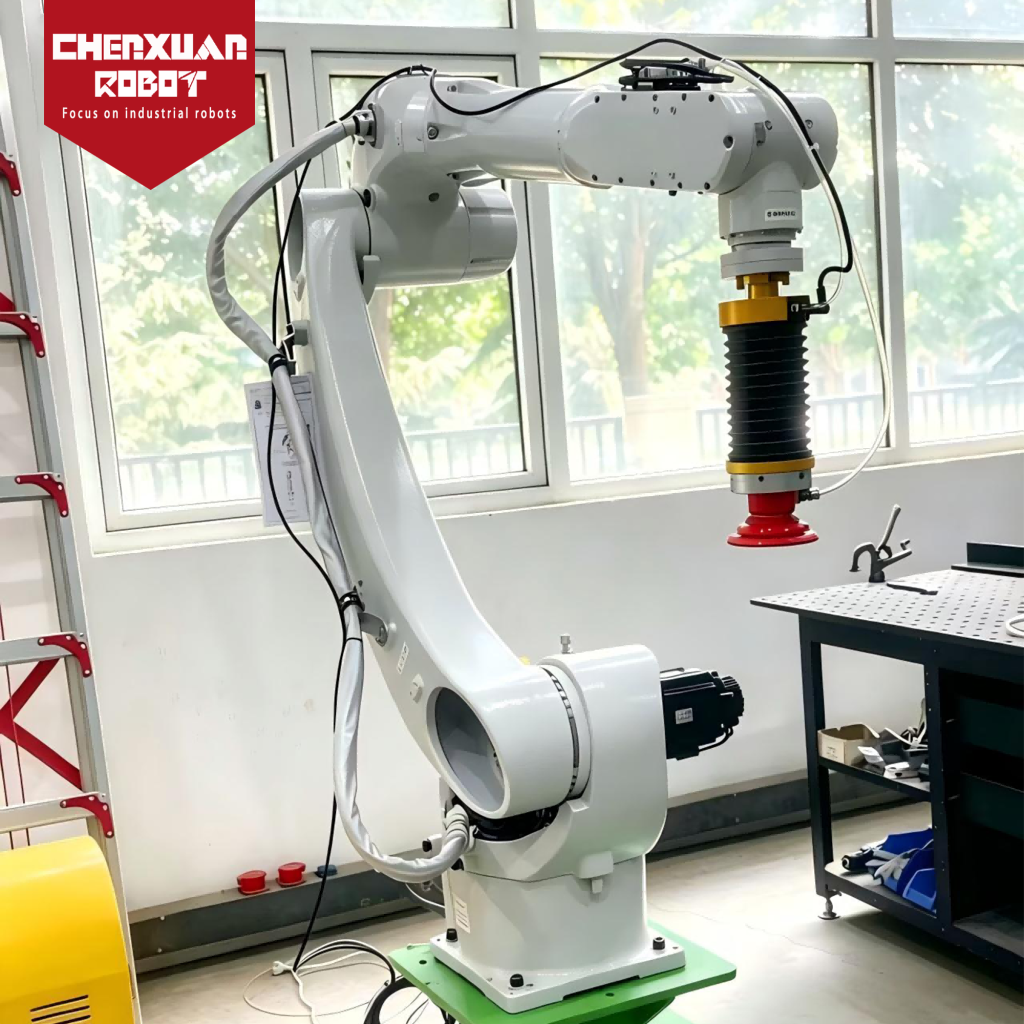
This 6-axis robotic system delivers automated sanding for wood boards, panels and furniture components. Featuring multi-angle movement and a dedicated sand pad head tool, it maintains uniform surface quality and removes the inconsistency of manual sanding. It supports flexible installation on the floor or ceiling, and comes with dust hose interfaces for clean workshop operation. Powered by AC servo motors, it works reliably within 0–45°C and ≤80% humidity. The robot reduces labor costs, cuts production downtime and supports high-mix wood finishing tasks. It is an ideal automated solution for furniture and woodworking manufacturers seeking stable, repeatable surface sanding performance.
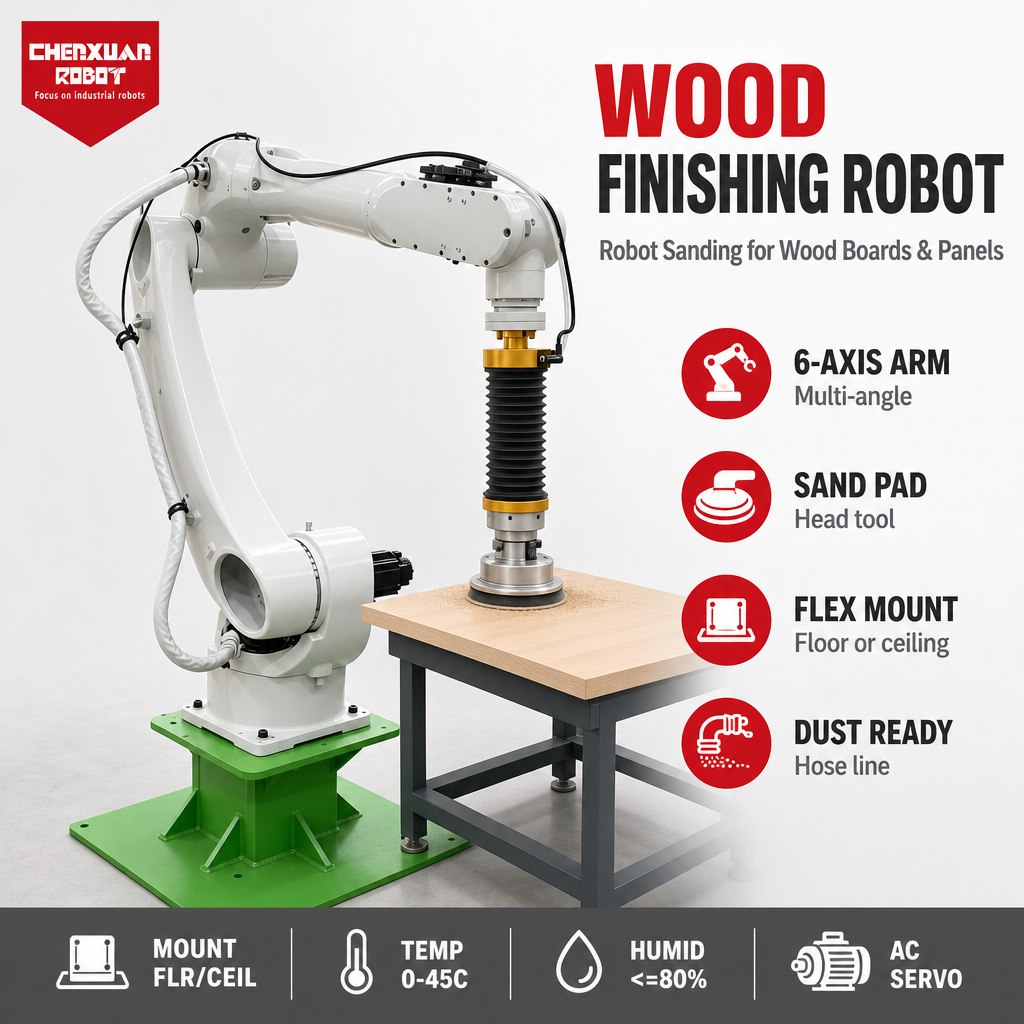
Product Information
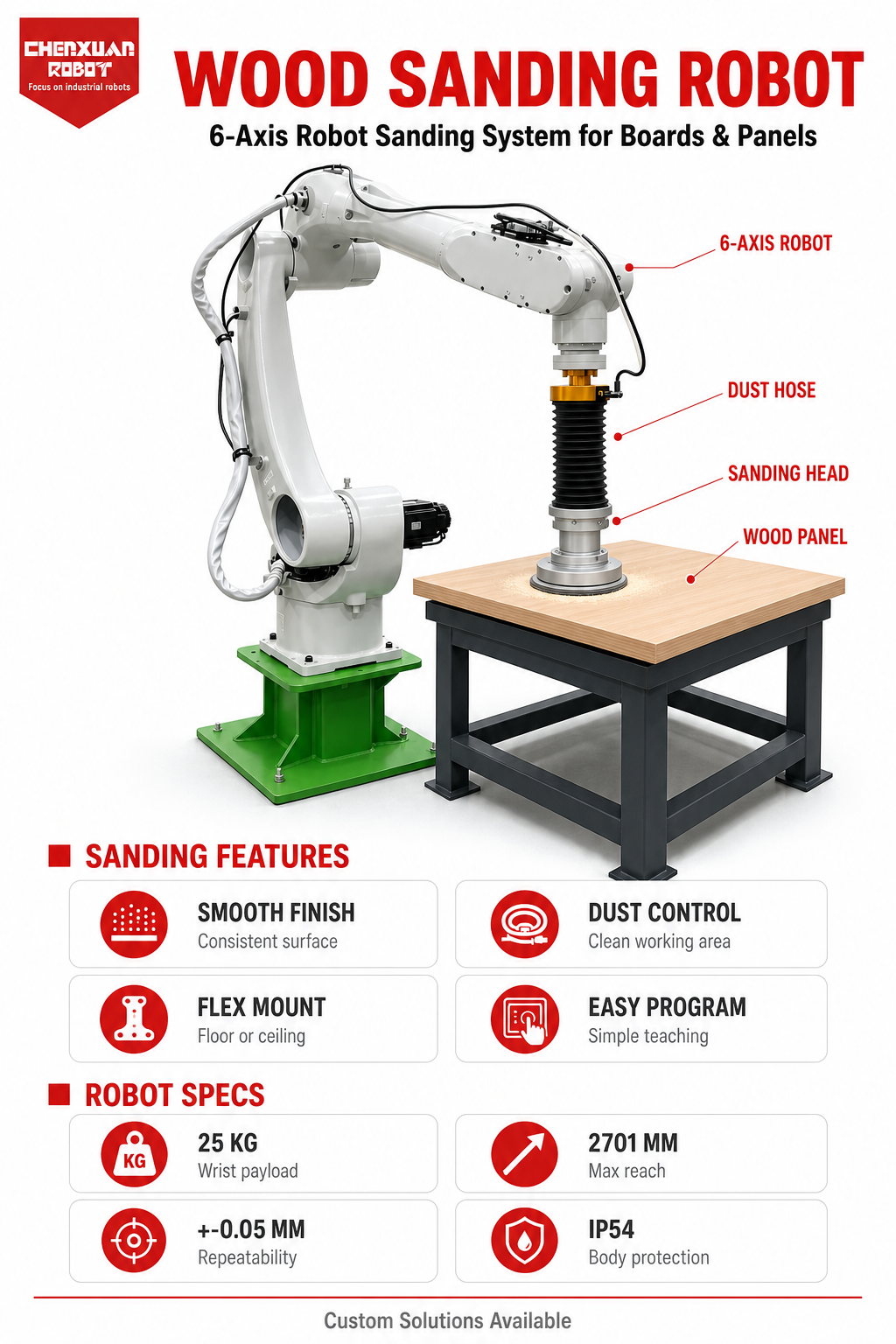
PRODUCT HIGHLIGHTS
- This six‑axis sanding robot features a wide working radius, which can cover large‑size wood panels and complete multi‑angle surface grinding tasks.
- Dust‑collecting hose structure connects with dust removal equipment to absorb wood chips, keeping the working area cleaner during continuous sanding cycles.
- The robot body reaches IP54 protection grade, offering reliable performance against wood dust splashes in typical wood‑processing production environments.
- Reduces manual labor intensity, and helps lower worker exposure to dust and noise.
- Stable and controllable grinding process, reducing quality fluctuations from manual work.
- Robust structure for long-term high-intensity operation in workshops, with easy maintenance.
- Ideal for grinding and polishing automotive parts, hardware, castings and more.
- Customizable grinding solutions, adjust process parameters based on workpiece shape and material.
- Low-noise, low-dust design, compatible with dust collection systems to improve workshop environment.
COMPANY OVERVIEW
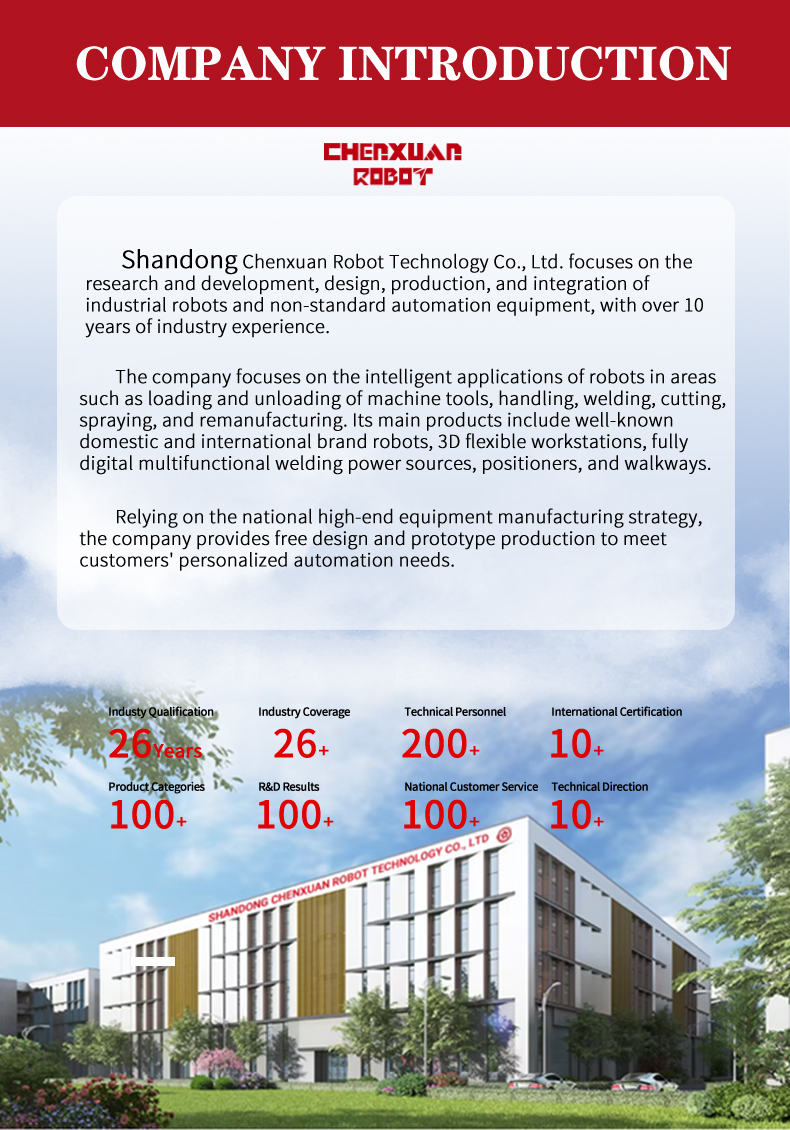
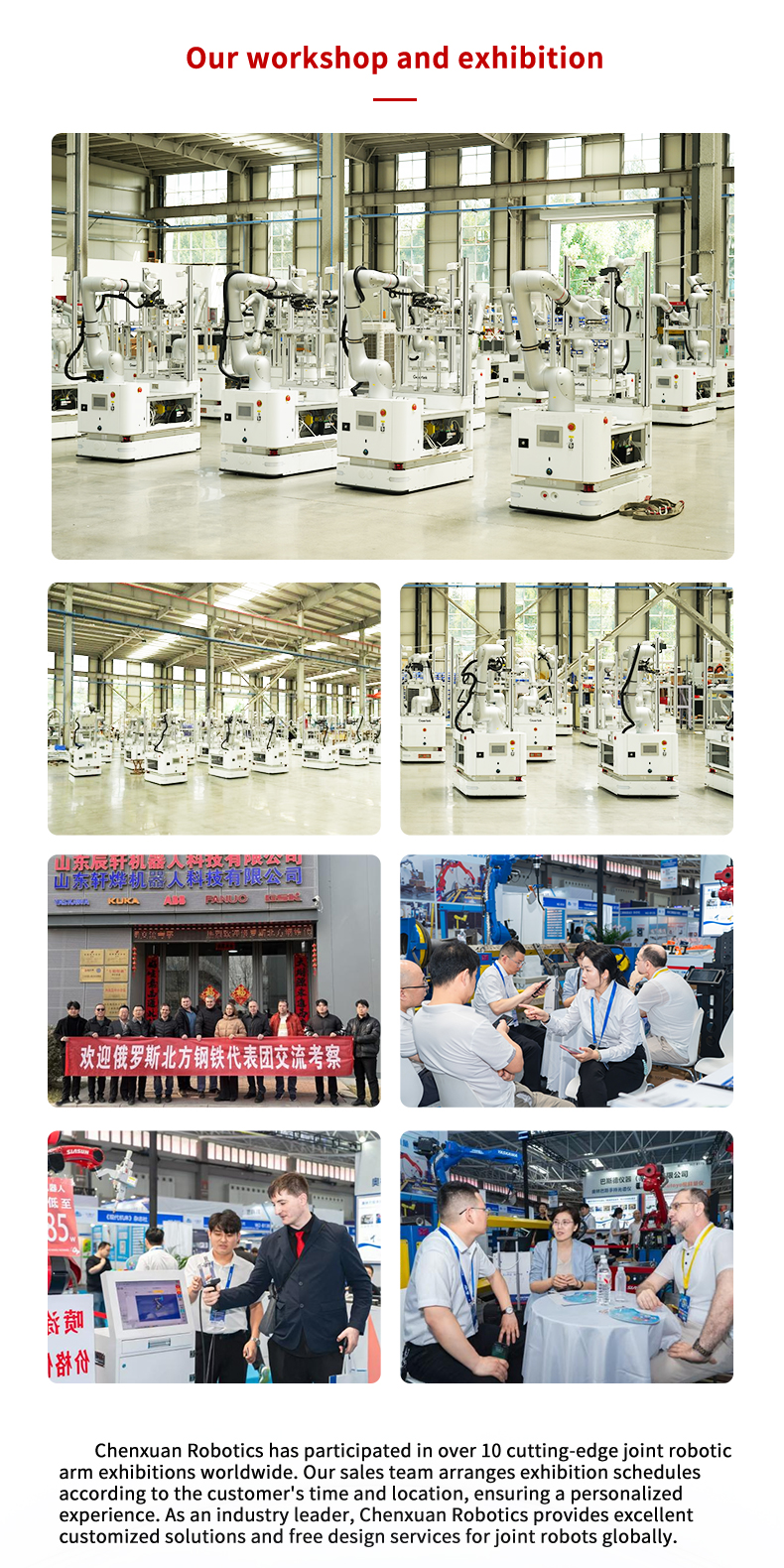
FACTORY PROFILE

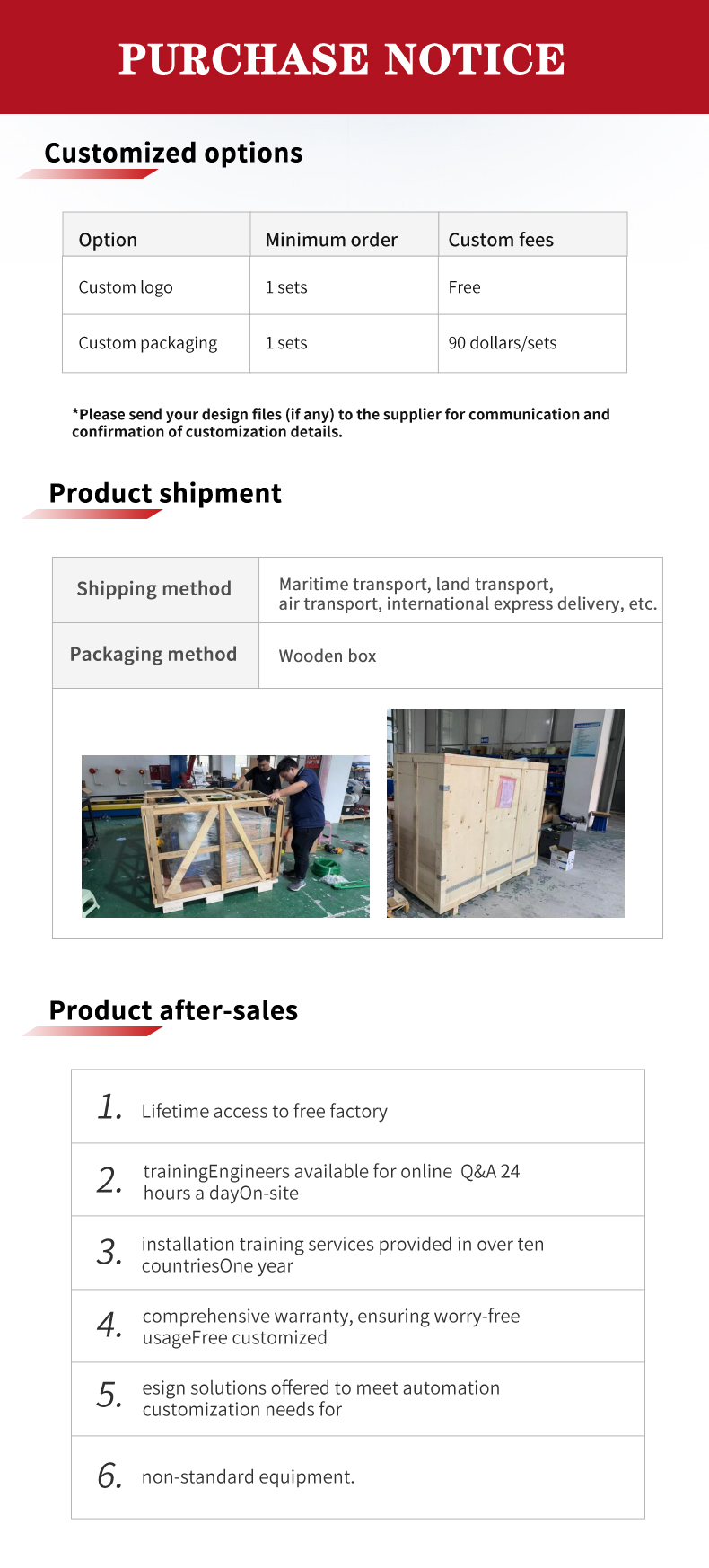
PACKAGING & SHIPPING SPECIFICATIONS
应用与选型指南
面向工业机器人与自动化集成场景,可根据客户工艺需求进行系统匹配,帮助提升效率、质量一致性和现场稳定运行。 应作为完整的Polishing 机器人流程进行评估,而不是只比较单台设备参数。项目应从工件、产能、现场空间以及上下游物流入手,再统一核对机器人、工装、控制、安全防护与生产节拍。
此类应用需要重点确认负载与臂展、协作或隔离运行、末端工具选择、路径规划、重复精度、安全分区和产线通信。具体参数应结合图纸、样件或代表性工艺测试核定,并同步评估换型、配方管理和停机恢复方式。
面向工业机器人与自动化集成场景,可根据客户工艺需求进行系统匹配,帮助提升效率、质量一致性和现场稳定运行。 的集成方案还应覆盖末端工具、夹具、能源介质、传感器、设备通信和维护空间。通过仿真、离线评审和验收指标,可以提前发现可达性、干涉和节拍风险。
稳定交付不仅取决于设备本体,也取决于安装调试、人员培训、备件规划、参数备份和售后响应。完整的交接资料有助于客户后续维护与持续优化。