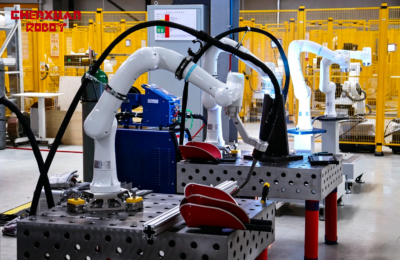
In the wave of industrial manufacturing towards intelligence and refinement, the efficiency and precision of cleaning links have become key factors affecting production quality. With its flexible multi-axis linkage capability, millimeter-level positioning accuracy and strong environmental adaptability, and high-pressure water spray system, six-axis industrial robots have successfully overcome cleaning pain points in automobile manufacturing, new energy, mold processing and other fields, providing efficient, environmentally friendly and safe automatic cleaning solutions for the industry, and becoming the core force of industrial cleaning and intelligent upgrading.
Auto parts field: “millimeter-level butler” for precision parts cleaning
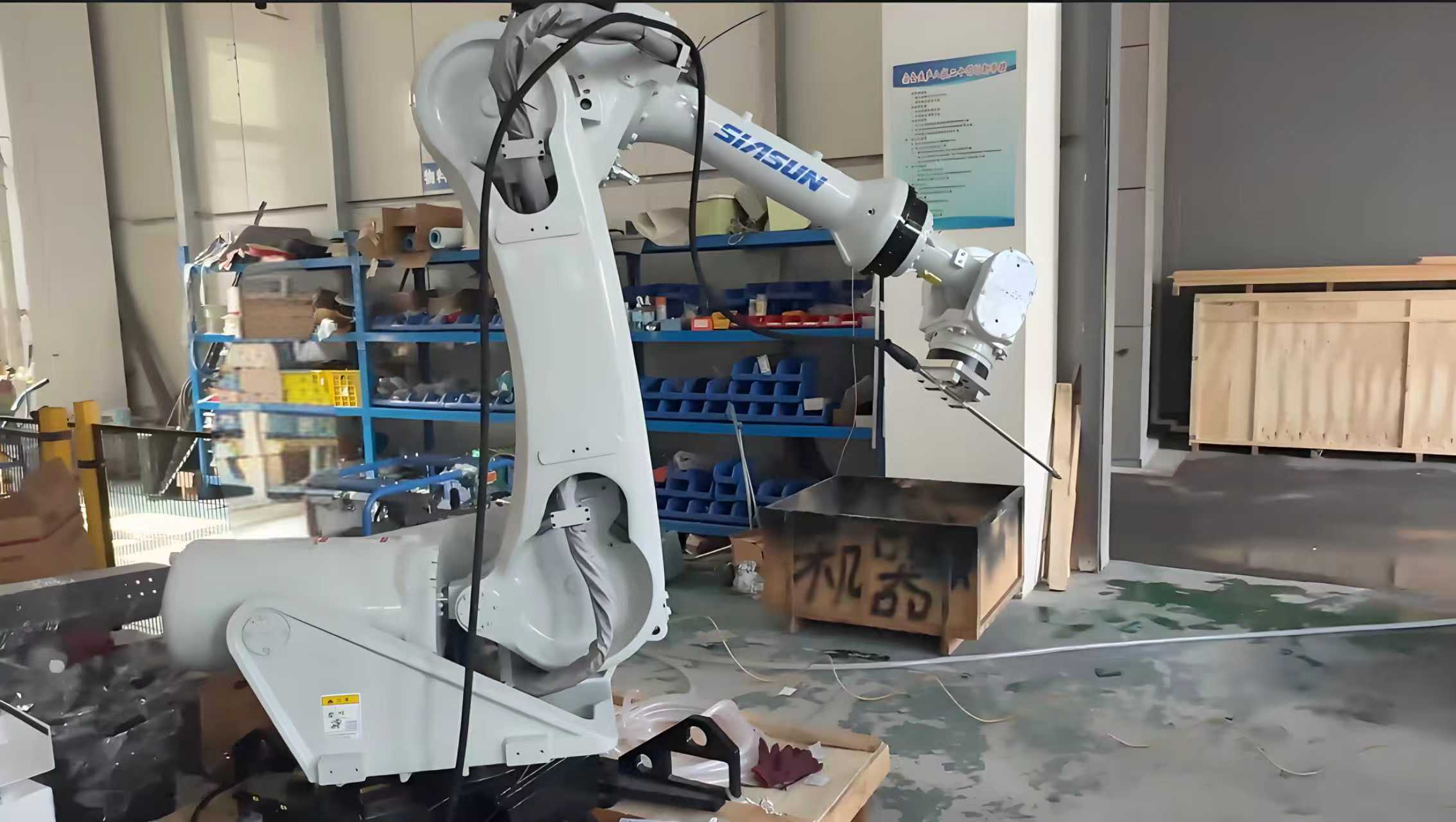
In the internal channels and gaps of core components such as automobile engine blocks and transmission housings, residual cutting fluid and metal chips directly affect the assembly accuracy and service life. Six-axis industrial robots such as the T20A-18 are equipped with high-pressure water spray modules, which are ideal solutions for this scenario with a repeatability accuracy of ±0.08mm. By flexibly adjusting the water spray angle and pressure through six axes, the robot can accurately flush out stubborn contaminants in the complex structure of components, completing a standardized cleaning process without manual intervention. Compared with traditional manual cleaning, this solution not only increases the cleaning efficiency by more than 3 times, but also completely eliminates the problems of uneven cleaning and component damage caused by manual operation, helping automobile manufacturers to achieve a closed loop of production line automation and ensure product consistency.
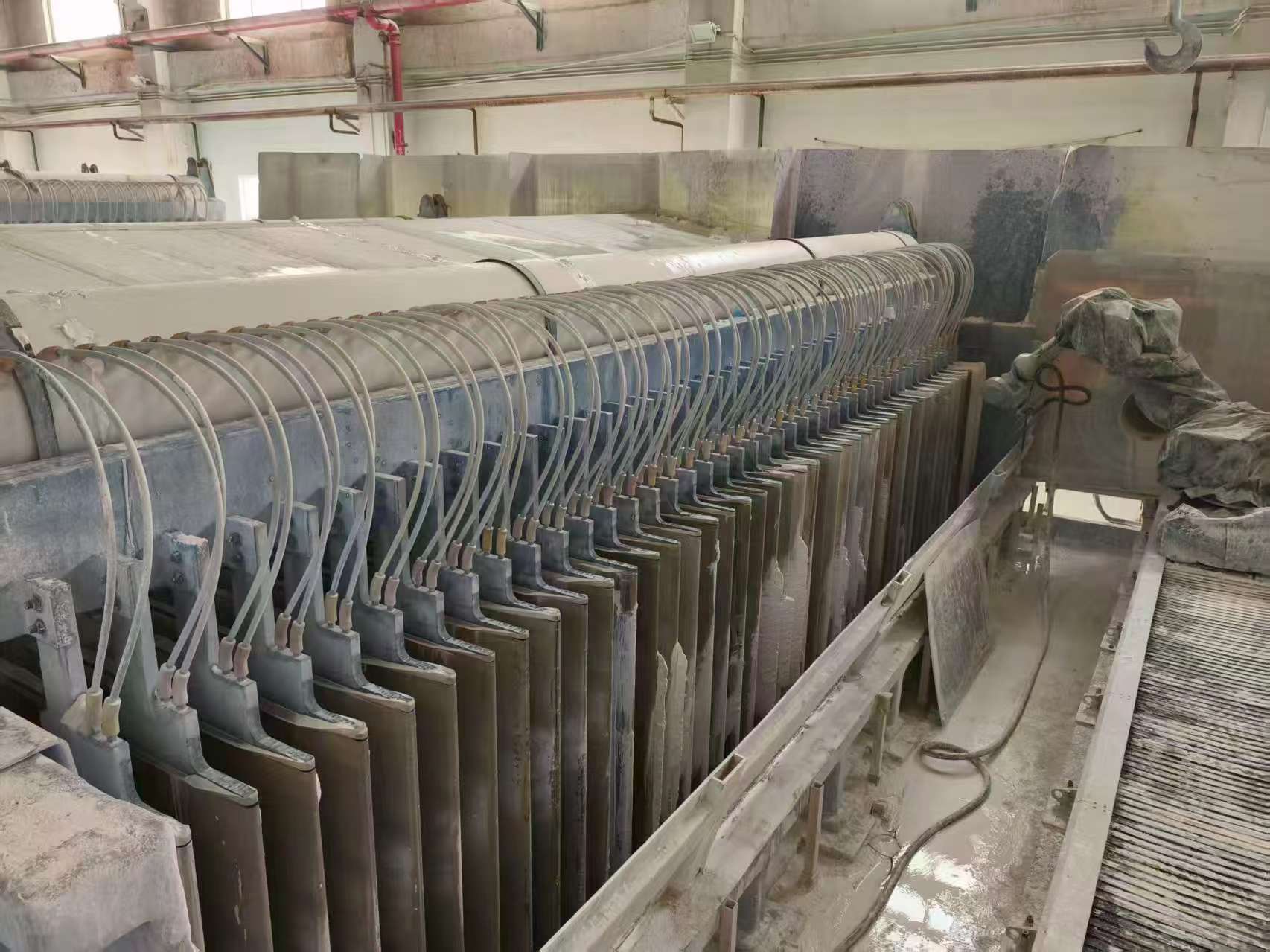
Mold industry: environmentally friendly and efficient “cavity cleaning expert”
After long-term use, industrial molds in home appliances, automobiles and other industries are prone to residual plastic, paint and other adhesions on the surface, and traditional chemical cleaning methods not only pollute the environment but also damage the accuracy of molds. The six-axis industrial robot is adapted to the ultra-high pressure (2500Bar) water jet cleaning system, and the optimal water spray path is planned through preset programs for the complex cavity and texture characteristics of the mold. Its six-axis linkage capability can achieve 360-degree coverage without dead ends, and the high-pressure water flow can accurately peel off the attachment, eliminating the need to add chemical solvents throughout the process, which is in line with the concept of green production. In the application of a home appliance company, the solution shortens the cleaning time of a single set of molds from 4 hours to 1.5 hours, extends the service life of the mold by 20%, and the water resource recovery rate reaches 85%, achieving both environmental protection and efficiency.
As a leading company in the field of industrial automation, six-axis industrial robots continue to focus on specialized water-jet cleaning applications with the core advantages of ‘precision, efficiency, and environmental protection.’ Through technological innovation and scenario integration, they provide customized cleaning solutions for multiple industries including automotive, new energy, mold, and heavy machinery. In the future, Siasun will continue to focus on the demands of industrial intelligence, promoting the deep integration of robotics technology and cleaning processes, and injecting intelligent power into the high-quality development of industrial enterprises worldwide.
Post time:
Jan-06-2026
行业背景与项目启示
“Six-axis industrial robots unlock new scenarios for high-pressure water jet cleaning”需要结合真实制造目标理解。读者应关注该动态希望解决的产能、质量、用工或交付问题,并判断方案是否适配工件、工艺流程和现场条件。
进一步沟通应重点覆盖the intended process, payload and reach needs, tooling, safety concept, integration interfaces and the measurable result expected from automation,并通过图纸、样件、节拍数据或现场评审验证关键假设。
项目评估可从工件尺寸与种类、年产量、目标节拍、质量标准、能源介质和场地限制开始,再明确安全边界、上下游接口、换型方式和维护空间。
实施前还应约定可量化的验收标准,例如重复精度、工艺一致性、单位时间产量、换型时间、报警恢复和人员负担,并保留培训、参数备份和维护资料。